
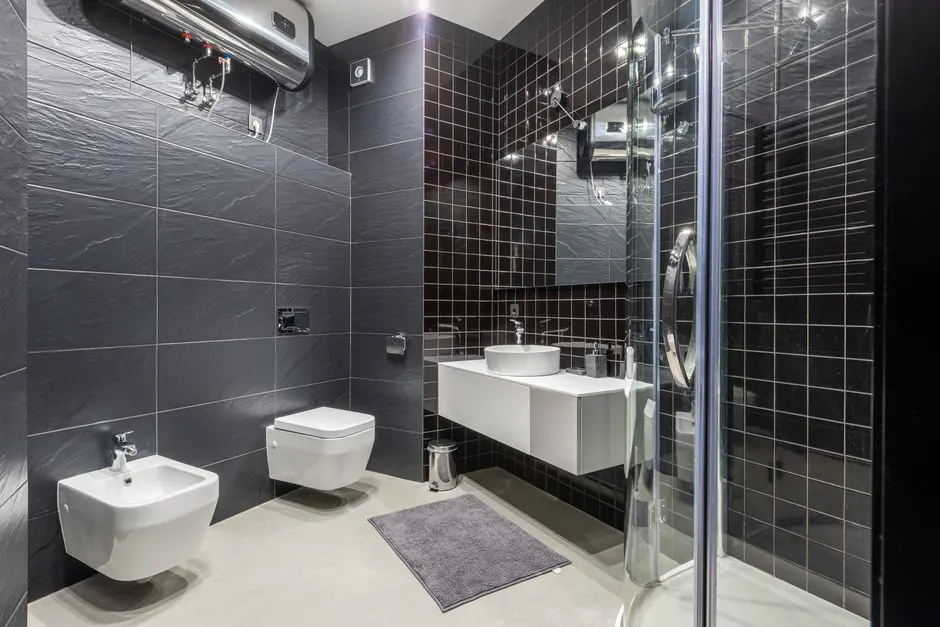
Strange noises from your water heater can be alarming, but they often indicate a manageable issue. Common sounds include popping, rumbling, and hissing, which can arise from sediment buildup or other mechanical problems.
Understanding the reasons behind these noises can help you take appropriate action. This article will explore common causes of noisy water heaters in Scottsdale, how to fix them, and when to seek professional help.
What are the common noises from water heaters?
A noisy water heater can produce several types of sounds, each indicating different issues. The most common noises include:
- Popping or cracking: Often caused by sediment buildup at the bottom of the tank.
- Rumbling: Indicates that the water is boiling, typically due to overheating.
- Hissing: May suggest a leak or that the pressure relief valve is functioning.
- Banging: Can occur when water flow is suddenly restricted.
What causes water heaters to make strange noises in Scottsdale?
Several factors contribute to a water heater strange noises Scottsdale residents may experience. The most common causes include:
1. Sediment buildup
Over time, minerals in hard water can settle at the bottom of the tank, causing popping or rumbling noises as the water heats up. In Scottsdale, where hard water is prevalent, this issue is particularly common.
2. Overheating
If the thermostat is set too high, water can reach boiling temperatures, leading to rumbling sounds. This can be exacerbated by a malfunctioning thermostat.
3. Faulty heating elements
Electric water heaters have heating elements that can fail. If one element is not functioning correctly, it can create unusual noises during operation.
4. Pressure issues
Excessive pressure in the tank can cause the pressure relief valve to release water, resulting in hissing sounds. Regular maintenance can help prevent this.
5. Age of the water heater
Older units tend to make more noise as parts wear out. If your water heater is over ten years old, it may be time for a replacement.
How to fix noises from my water heater in Scottsdale?
Addressing a noisy water heater Scottsdale homeowners often face involves a few straightforward steps:
1. Flush the tank
Flushing the tank annually can help remove sediment buildup. To do this, turn off the heater, connect a hose to the drain valve, and let the water flow out until it runs clear.
2. Lower the thermostat
Check the thermostat setting and lower it to 120°F. This temperature is adequate for most households and helps prevent overheating.
3. Inspect heating elements
If you have an electric water heater, check the heating elements for signs of wear. If they appear damaged, consider replacing them or calling a professional.
4. Check the pressure relief valve
Ensure the pressure relief valve is functioning correctly. If it's leaking or making noise, it may need replacement.
5. Schedule regular maintenance
Regular maintenance can catch issues before they escalate. Consider scheduling a professional inspection at least once a year.
Preventing water heater noises in Scottsdale
Taking preventative measures can help keep your water heater quiet:
- Flush the tank annually to remove sediment.
- Set the thermostat to a safe temperature.
- Inspect for leaks and signs of wear regularly.
- Consider installing a water softener to reduce mineral buildup.
When to call a professional
If you've attempted to fix the noises and they persist, it's time to contact a professional. Persistent noises can indicate serious issues that require expert intervention. Scottsdale Plumbing is equipped to handle any water heater issue you may encounter.
Frequently Asked Questions
What causes water heaters to make strange noises in Scottsdale? Sediment buildup, overheating, faulty heating elements, and pressure issues are common causes of strange noises from water heaters in Scottsdale.
How can I fix noises from my water heater in Scottsdale? You can fix noises by flushing the tank, lowering the thermostat, inspecting heating elements, and checking the pressure relief valve.
When should I call a plumber for a noisy water heater in Scottsdale? Call a plumber if noises persist after attempting basic fixes, as this may indicate a more serious problem.
Can sediment buildup be prevented? Yes, regular flushing of the tank and installing a water softener can help prevent sediment buildup in your water heater.
How often should I maintain my water heater? It's recommended to have your water heater inspected at least once a year to ensure optimal performance and longevity.